
Back to blog · Product knowledge · 2026-10-14
Zircon vs Moissanite: Which Stone Should Your Store Stock in 2027?
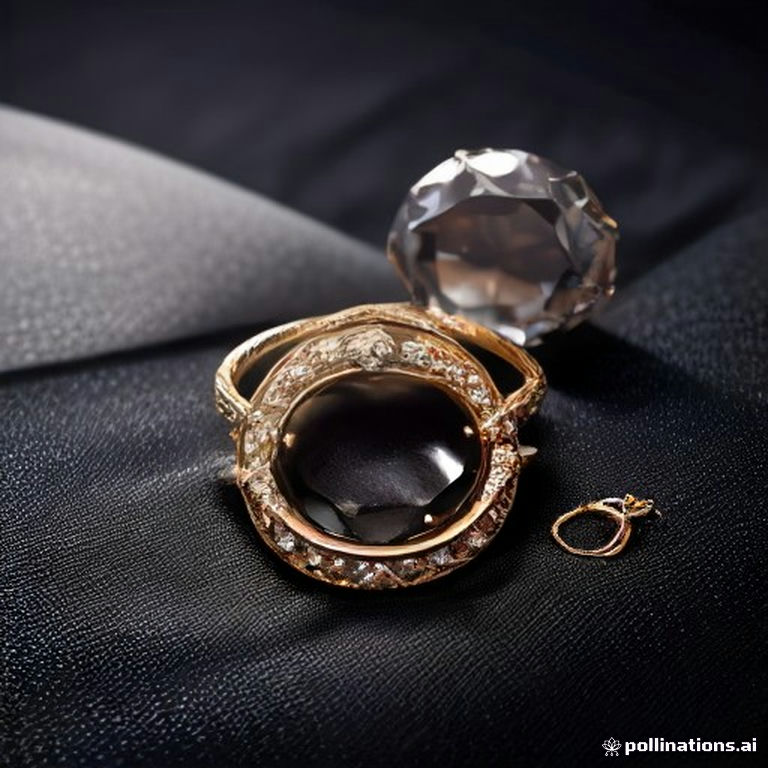
Zircon and moissanite look similar at arm's length — but they are two different stones with different buyers, price points and margins. Here is the honest comparison we give every wholesale customer before they build a collection.
What they are: cubic zirconia (zircon) is a lab-created crystal that imitates diamond at a fraction of the cost; moissanite is a lab-grown stone with a higher refractive index than diamond, famous for its rainbow fire. Zircon reads clean and white; moissanite reads brilliant and lively.
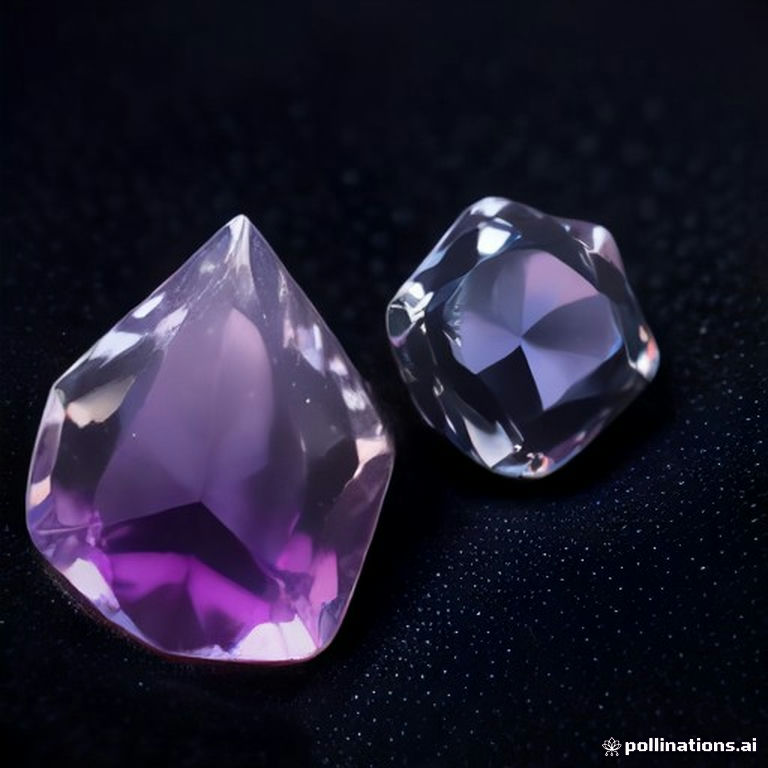
Price and margin: zircon settings typically cost a third to a half of moissanite versions. If your market is fast fashion, gifts and festival pieces, zircon keeps your retail price sharp. If your customers compare sparkle against diamonds, moissanite closes the sale — and the higher ticket absorbs the cost.
Which sells better? From our wholesale data, zircon leads in volume across earrings and chain pendants; moissanite leads in rings and "one good piece" purchases, where buyers accept a higher price for a stone that keeps its fire. Stock both, but weight your mix by category.
Setting quality matters more than the stone. A stone is only as good as its setting: check prong tightness, plating thickness (our line uses a copper base with real gold plating) and polished edges. Ask your supplier for plating specs before you order — a factory that answers clearly is one you can trust.
Our recommendation: start 70% zircon and 30% moissanite, then reorder by what actually sells. Browse our factory rings and chains pages for reference styles in both stones, or contact us for current stock, samples and custom settings. MOQ from 30 pcs per design, OEM and private label welcome.